
With the double holiday now behind us, the broader travel market is still shoulder to shoulder with crowds and still trending nonstop. Many instinctively assume that as long as visitors keep coming, everyone gets a slice of the pie. The real market, though, is a tale of fire and ice: some players seized on new trends and banked genuine profit, while others stared at a screen full of foot traffic and ended up with all the buzz and none of the money.
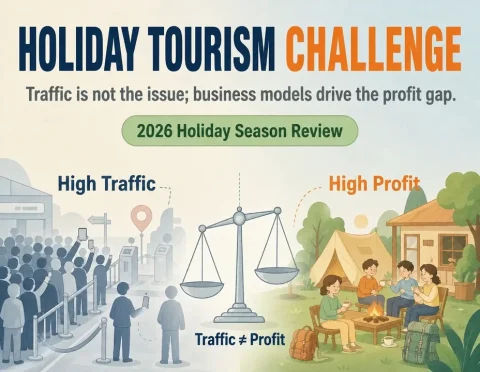
“The era of mass sightseeing is fading—travelers are no longer satisfied with simple photo check-ins. Niche, refined, and customized experiences have become the new drivers of consumer demand. This holiday served as a comprehensive industry stress test, laying bare the widening divide. The tourism business isn’t getting harder; the old, brute-force playbook is simply becoming obsolete. Those who adapt to the shift are already seizing the new dividends.”

Many forward-thinking cities broke through by establishing precise market positioning. Instead of blindly piling up superficial viral photo-spots, they tapped deeply into local folklore and natural landscapes to curate distinctive thematic itineraries. As a result, visitor dwell time increased, driving simultaneous growth across dining, lodging, and ancillary spending—while sustaining off-peak footfall well beyond the holiday.
In contrast, far more destinations remain trapped in an outdated loop: relying on one-off events and fleeting short-video hype for short-term traffic, with vague identities and homogenized offerings. Once the holiday excitement fades, they instantly relapse into silence.
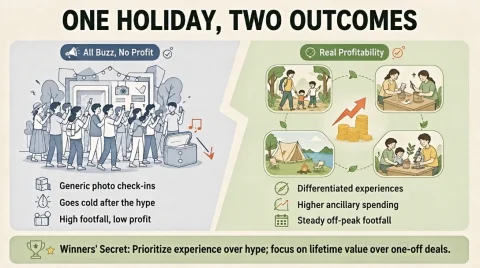

“Pioneering destinations have long moved beyond relying solely on ticket sales. By integrating immersive performances, educational workshops, and light outdoor adventures, they have driven a continuous increase in secondary spending—achieving overall revenue growth even when discounting baseline admissions.
In stark contrast, most traditional sightseeing scenic spots remain tethered to a single-revenue model. Despite record-breaking visitor arrivals, per-capita spending remains dismal. During peak seasons, severe overcrowding strains local infrastructure and services, sparking negative reviews and eroding brand reputation. With visitors merely rushing through the sights, secondary monetization is virtually nonexistent—a textbook case of high footfall with low profitability.”
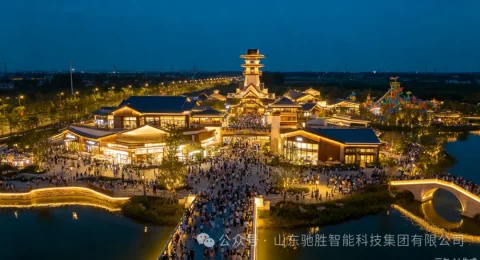
“A distinct class of boutique homestays has evolved far beyond merely selling rooms. By bundling local guiding services, authentic culinary experiences, and exclusive hiking trails into customized vacation packages, they maintain a loyal client base throughout both peak and off-peak seasons—securing healthy margins without relying on holiday price surges.
Conversely, the vast majority of standard homestays are trapped in a vicious race to the bottom: aggressively hiking prices during holidays while slashing rates to capture off-peak bookings. Platform commissions, property leases, and escalating labor costs steadily eat away at margins. Despite showing 100% occupancy during holidays, net profit remains underwhelming once operational expenses are deducted. Compounded by chronically high vacancy rates on regular weekdays, many operators barely break even across the full year.”

What this holiday season revealed is not a failing tourism market, but rather that the traditional one-size-fits-all playbook no longer works.
A Shift in Traveler Demand: Visitors are no longer counting the number of attractions they check off; they prioritize immersive, distinctive experiences and actively avoid overcrowded viral hotspots.
Persistent Legacy Bottlenecks: Severe homogenization, a single-revenue dependency, and heavy reliance on erratic holiday traffic spikes continue to plague traditional operators—trapping them in the frustrating loop of “high operational strain for minimal returns.”
The Blueprint of Winners: Successful operators share a clear strategy: rather than chasing raw volume, they cultivate differentiated experiences, move away from purely transactional one-off sales, and balance peak-season reputation with sustainable off-peak operations.
Bottom Line: Footfall itself is neither good nor bad—whether it translates into sustainable profit hinges entirely on product design and operational capabilities.
1. Pinpoint Niche Audiences to Build Differentiated Products
Stop trying to cater to everyone. Anchor your strategy in local cultural and natural assets, target well-defined segments—such as family travelers, youth hikers, or cultural heritage enthusiasts—and design dedicated thematic offerings. Steer clear of copy-paste viral photo spots to create irreproducible, authentic local experiences that break free from price wars.
2. Break Free from the “Ticket & Bed” Mindset to Diversify Revenue Streams
Scenic destinations must actively cultivate secondary spending ecosystems; homestays and hotels should bundle curated itineraries and exclusive local activities, elevating basic “accommodation” into comprehensive vacation packages. Never pin your entire annual profitability on a few holiday spikes—expand multi-channel revenue streams.
3. Establish Year-Round Operations to Reduce Holiday Traffic Dependency
Moving away from the boom-and-bust cycle of “overworking in peak season and shutting down in the off-season” is essential. Launch off-peak packages and niche thematic events to maintain steady footfall; build a private-domain customer base to foster repeat visits and safeguard reputation, effectively smoothing out seasonal volatility.
4. Safeguard Baseline Service Quality with Tiered Offerings
Standardize essential service delivery—strictly prevent service quality from shrinking when peak-season prices rise. For premium, high-value segments, offer bespoke itineraries and VIP dedicated services. Build long-term brand equity and sustainable conversion rather than treating holiday crowds as a one-time cash grab.
The tourism market pie is still expanding—what has changed are the rules of how it is shared.
The era of relying on brute-force traffic for easy profit is gradually drawing to a close; precise operations and differentiated content have become the new baseline for profitability. While some are falling behind, others are consistently capturing outsized returns.
Ultimately, whether you adapt to evolving consumer expectations will decide whether the next holiday brings real bottom-line profit—or just another fleeting crowd.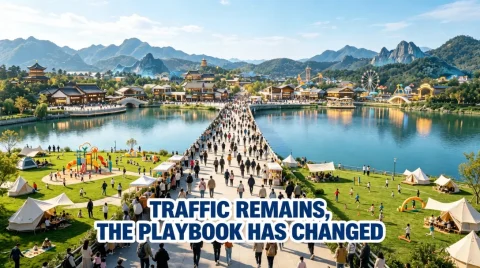













 +86 18353746689
 +86 18353746689
 sales@chishenggroup.com
