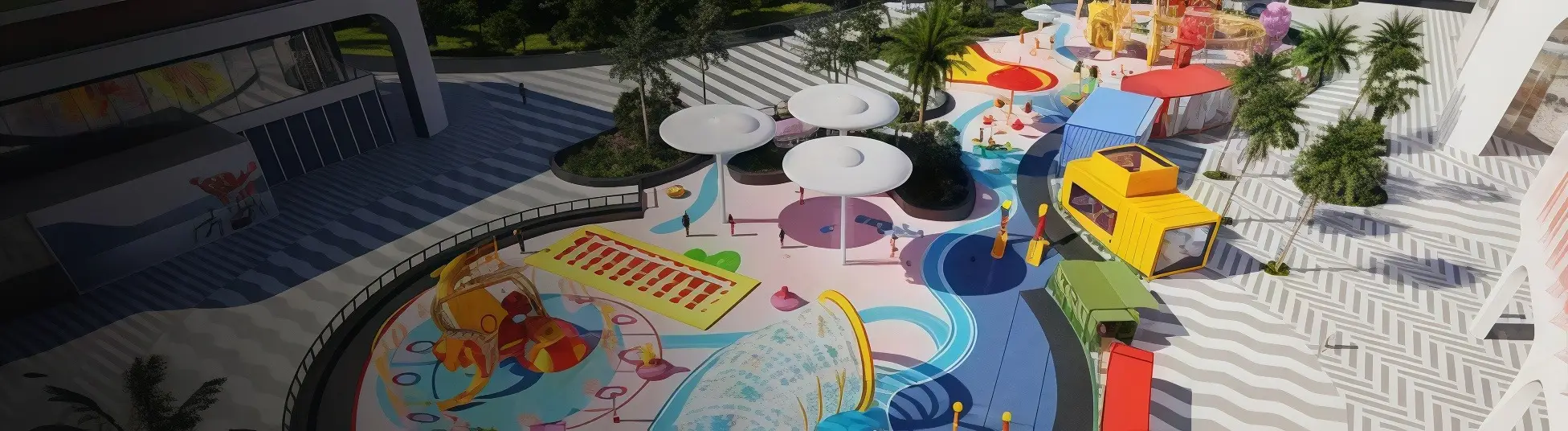
The project is located in Guanyun County, Lianyungang City, Jiangsu Province, China. It sits within the core cultural and tourism zone of Shifo Temple, adjacent to the Dayi Mountain Giant Buddha — the landmark of the national 4A-level Dayi Mountain Scenic Area. The site fronts Gongyuan Road, a main urban artery, and connects directly to the high-speed rail network and expressway, giving it convenient access. This position allows the park to draw both out-of-town visitors arriving for pilgrimage, sightseeing and study tours, and local residents of Yishan Town seeking everyday leisure and fitness. Combining mountain forest ecology with religious and cultural heritage, the site benefits from strong landmark recognition and a solid existing visitor base. It is a prime location that bridges urban life with mountain cultural tourism, and is well suited to cultural tourism support facilities and leisure experience projects.
The site is located at No. 122 Shanyin Road, Yishan Town, Guanyun County, immediately adjacent to the national 4A-level Dayi Mountain Scenic Area. Beyond drawing on the scenic area’s tourist traffic, it also serves residents of Yishan Town’s urban area, creating dual support from everyday local visitors and holiday tourist flows. Peak and off-season traffic complement each other, giving the operation greater stability.
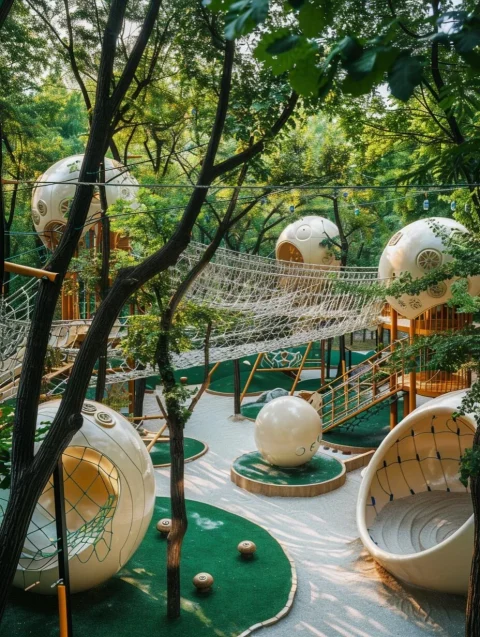
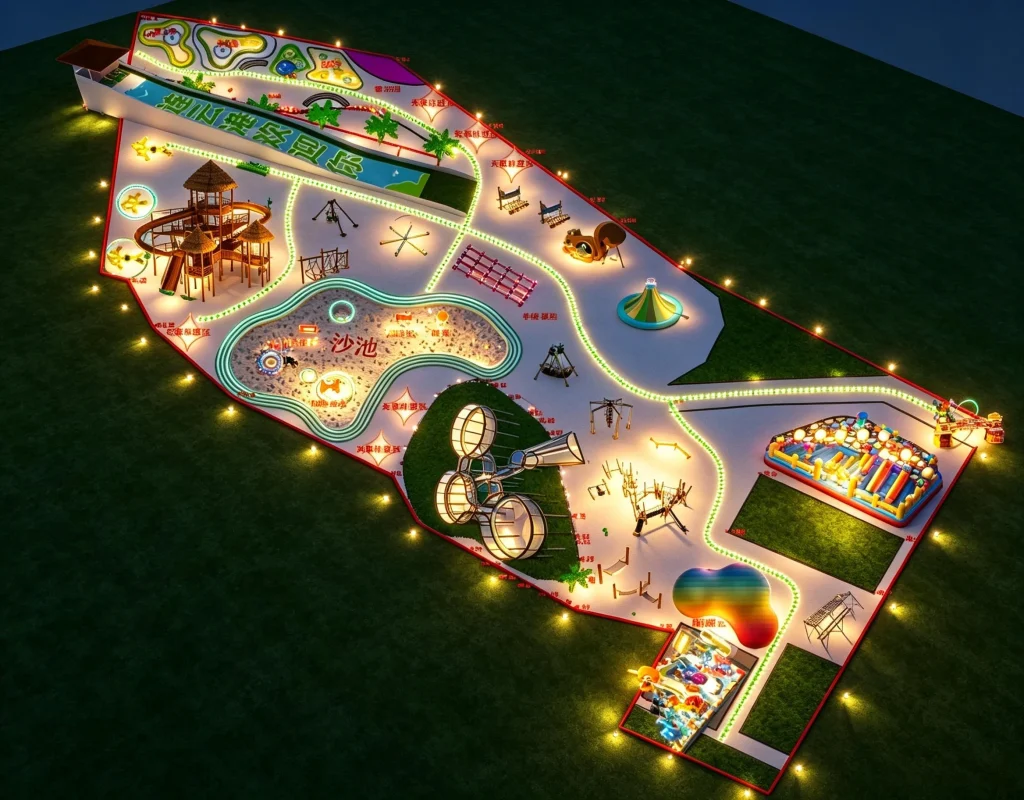
A forest-themed family nature park that integrates play, leisure and outdoor adventure, designed to meet a wide range of visitor needs.
Families with children form the core of the park’s visitor base, and shared parent-and-child play meets the needs of every age group.
Our leisure and recreation offering is designed as a comprehensive natural leisure destination that brings together leisure, entertainment, experience and culture.
The primary audience is urban dwellers who want to reconnect with nature and unwind — families, young people and outdoor enthusiasts in particular.
Photo Spots
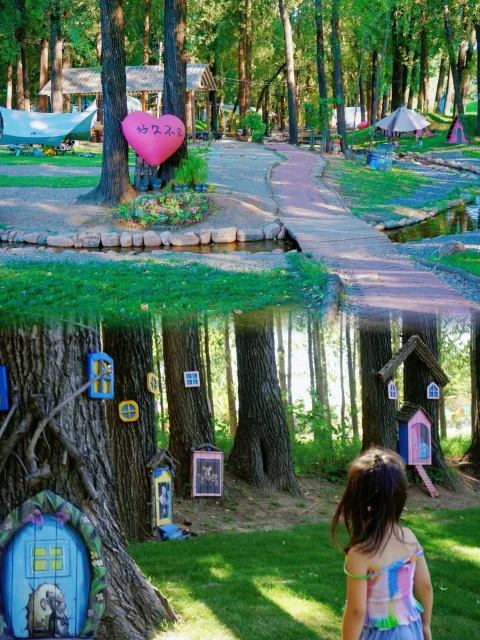
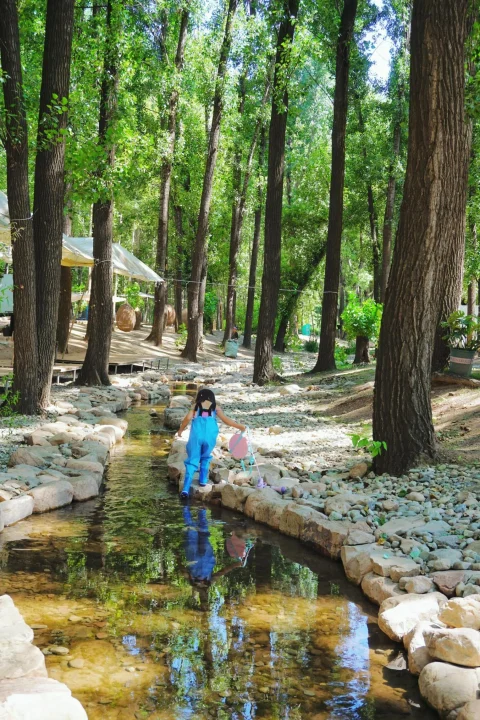
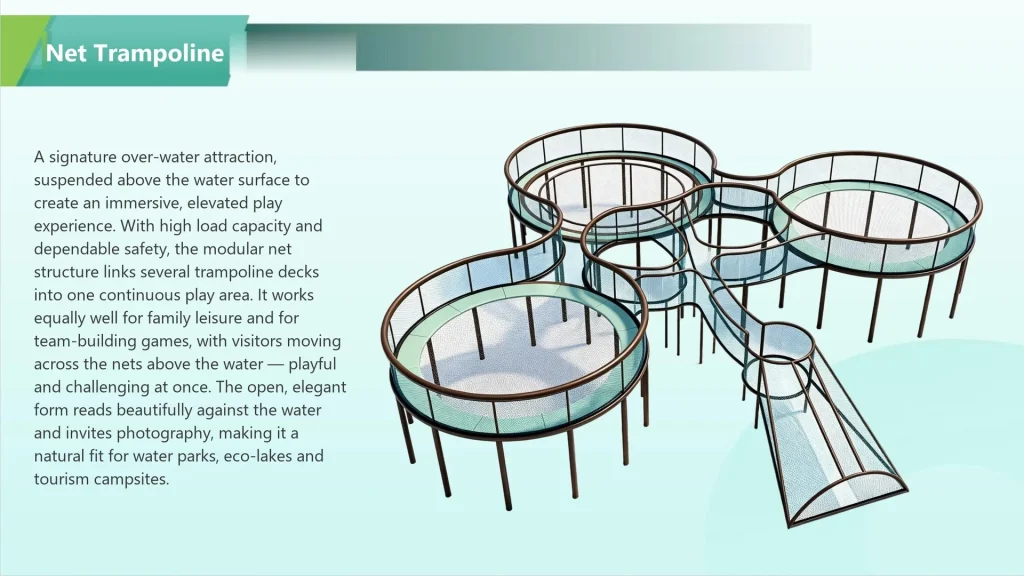
Water Play
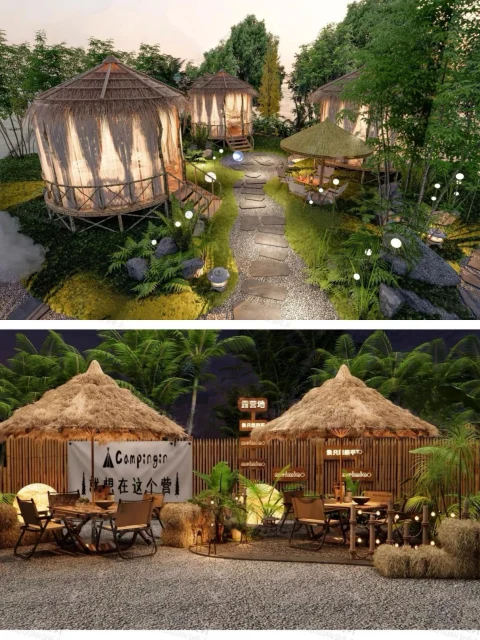
Glamping
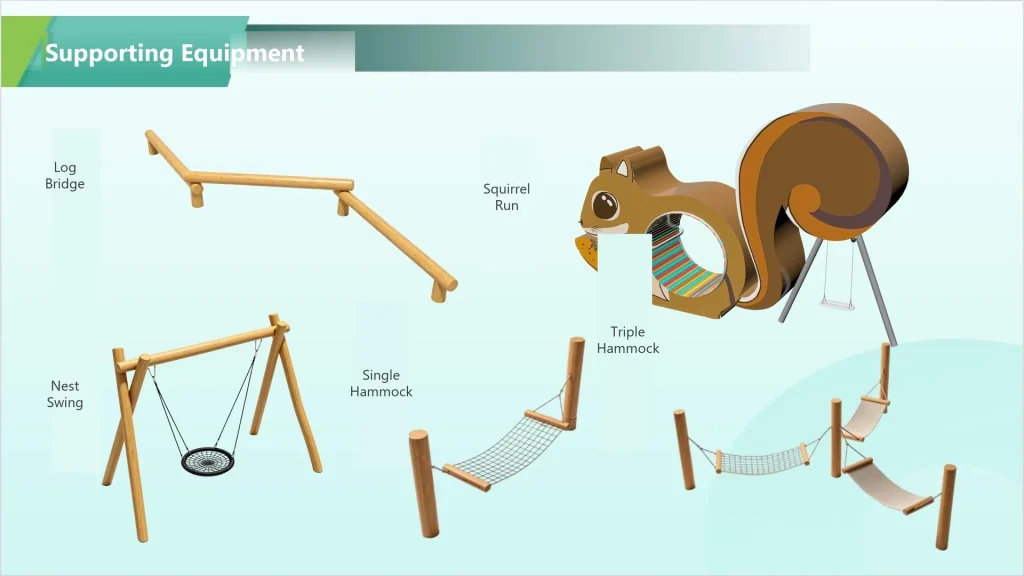
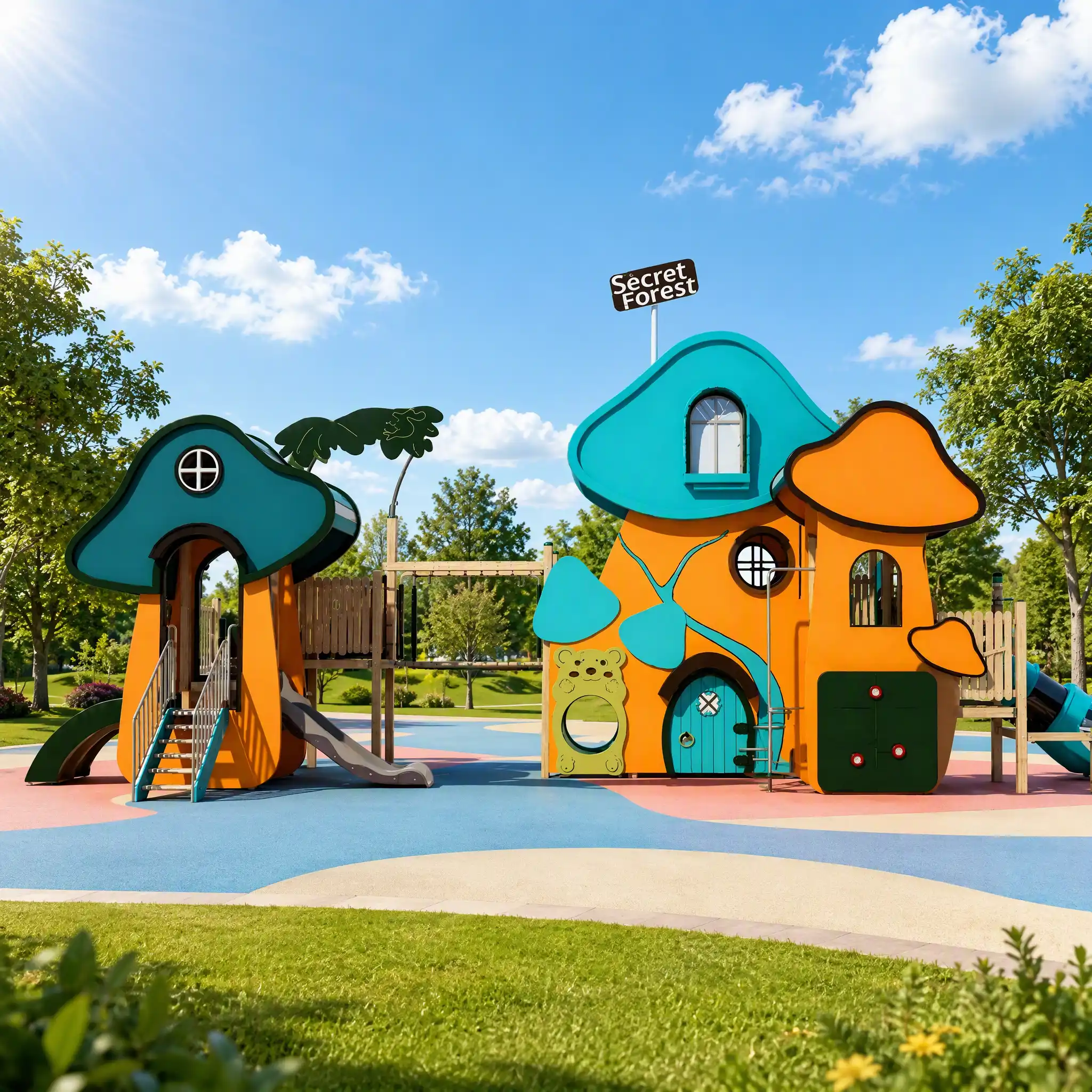
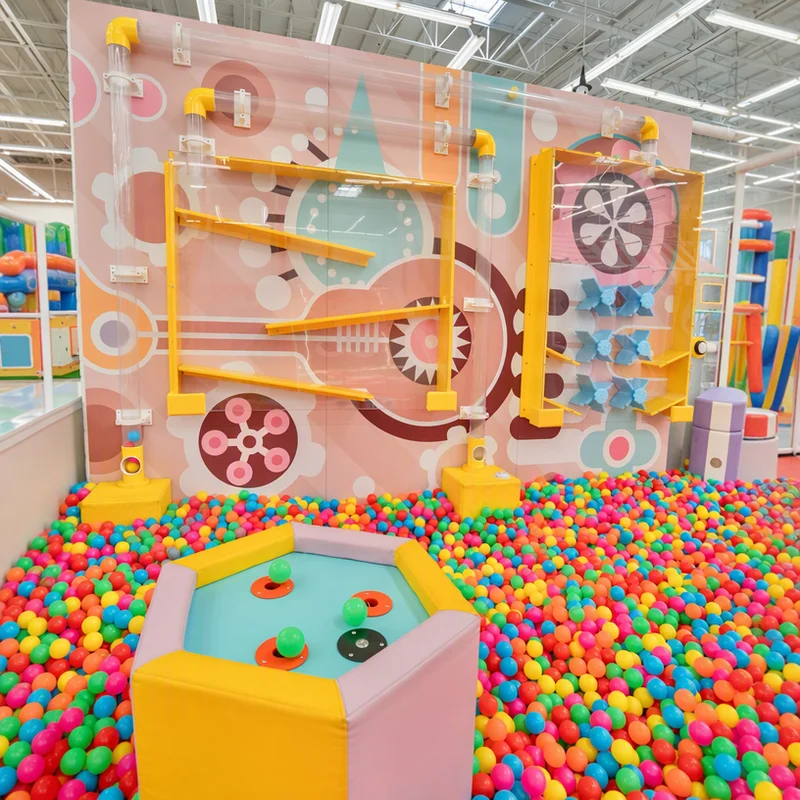
Kids’ Play
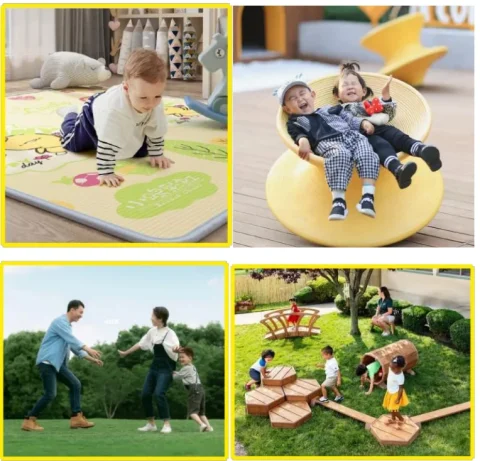
0–3 Years: At this stage, babies are learning to roll over, crawl, sit up and walk. They need a spacious, safe environment under adult supervision.
3–6 Years :Cooperation · Interaction · Friendship Children in this group are pre-schoolers, and their reliance on parents gradually decreases. They are lively and active, and their activities still require adult supervision and care.
6–10 Years :Independence · Curiosity · Exploration Children at this stage have begun to think independently and solve problems on their own. They enjoy adventure, but still require adult supervision and care.
20–60 Years : Parents and Grandparents — Supervision · Companionship · Interaction These visitors come mainly to look after children, so they have a higher need for rest areas and use them more often. Parents also join in the play and interact with their children.
Themed Artistry: Give the theme icons greater extendability, variety and visual identity. Combine art with engineering to express cultural and spiritual values through physical form.
Landscape Integration :All structures and landscape elements in the park should, while meeting their functional requirements, blend into the surrounding architecture and landscape to create a pleasant environment.
Ecological Conservation :Ecological protection principles must be upheld so that people and nature coexist in harmony, providing a foundation for the sustainable development of ecological resources.
Human-Centered Design: Circulation, recreation facilities and landscape features must take account of visitor safety, convenience and visual appeal, and should incorporate accessible design throughout.
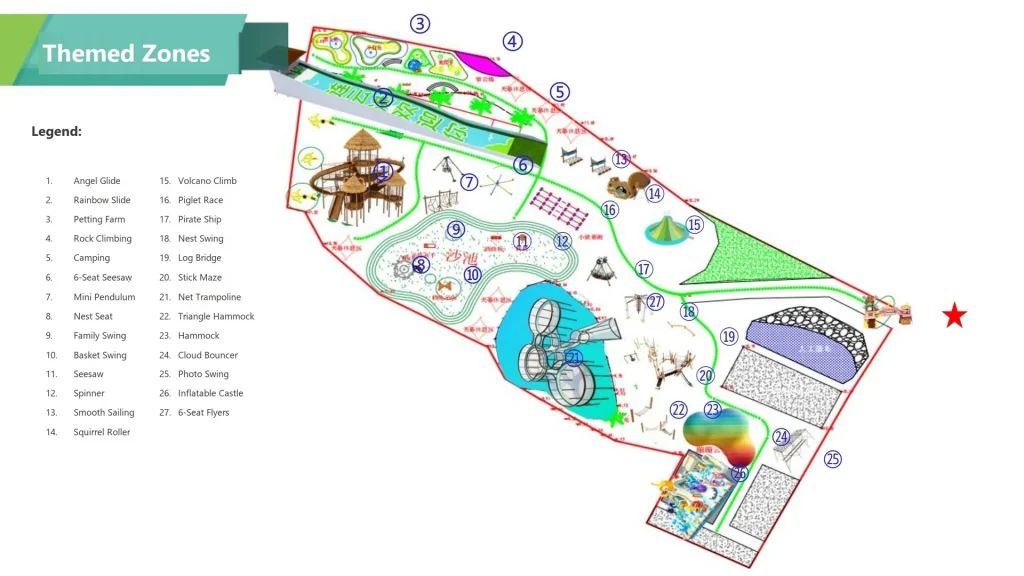
Child-Centered Care: Design with children as the primary user and at a child’s scale, meeting both their physical and psychological needs. Emphasize playfulness and create a multi-layered sense of fun.
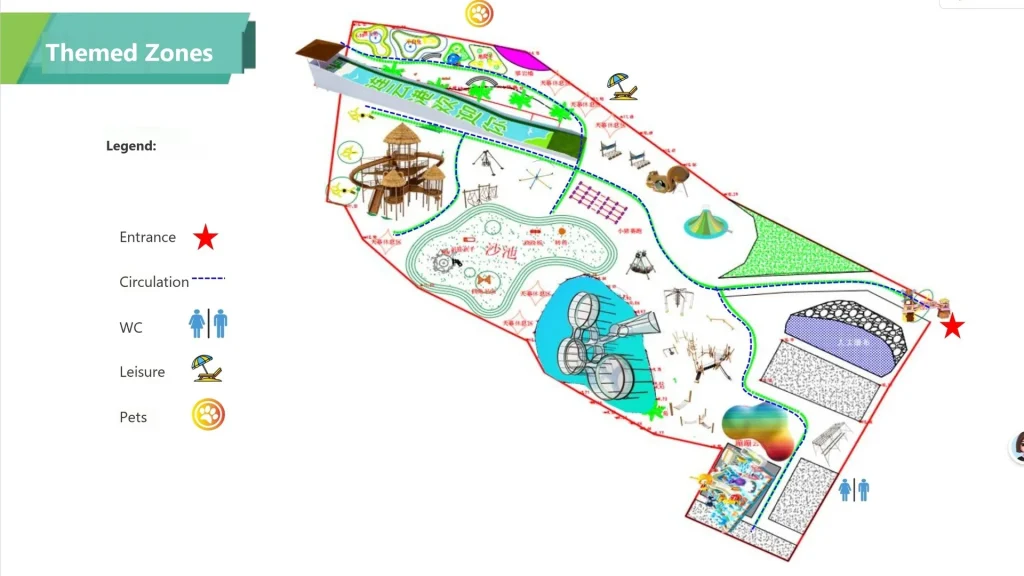
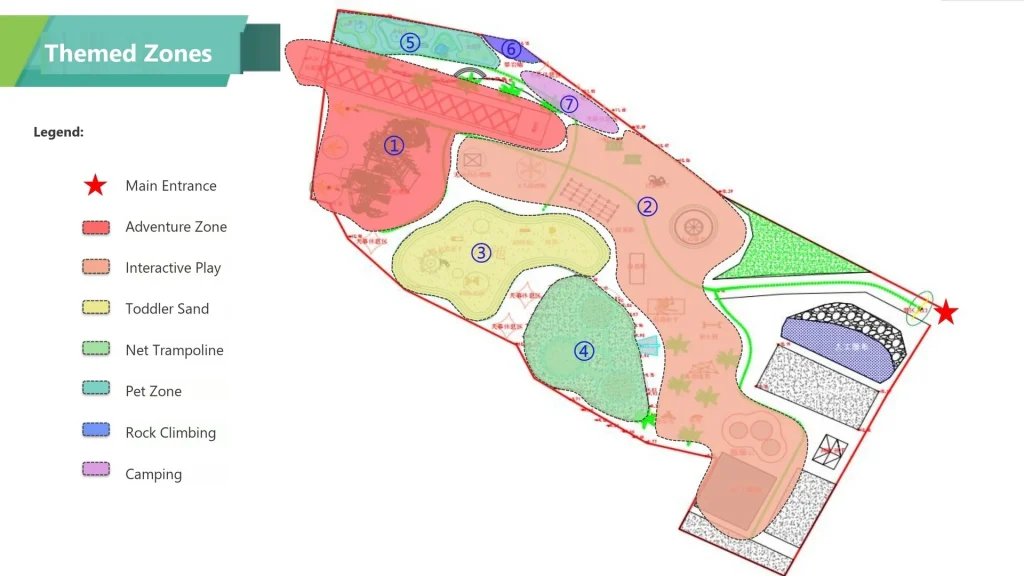






 +86 18353746689
 +86 18353746689
 sales@chishenggroup.com
