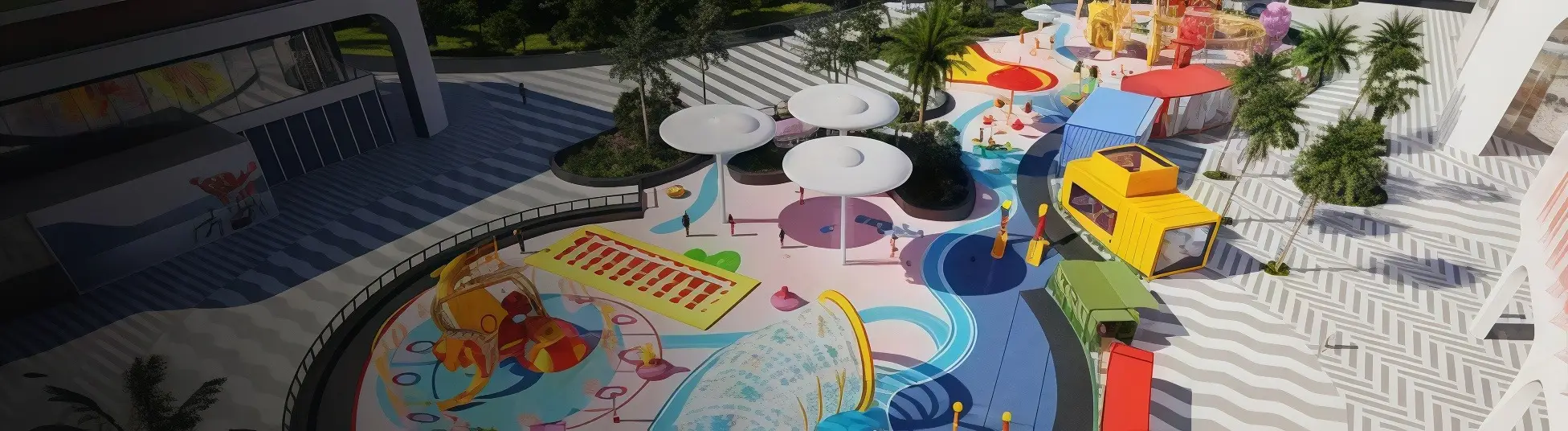
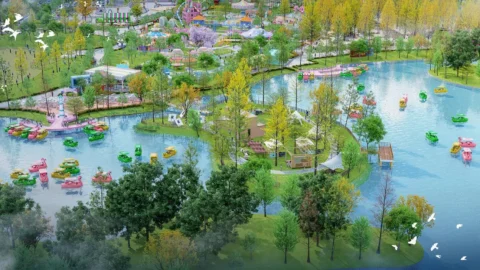
Tiger Hill Wetland · Green Forest Family Park (Tentative Name) is nestled in the southwest of Suzhou Tiger Hill Wetland Park, right by the Hu-Ning Expressway Suzhou West Interchange. Rooted in the wetland’s rich natural ecosystem, the project spans an area of approximately 120 mu.
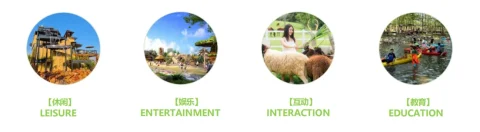
Centering on “Wetland Ecology & Multi-Generational Family Fun,” it seamlessly brings together non-powered playgrounds, scenic camping, friendly pet interactions, sports adventures, viral photo spots, and relaxed picnicking. As an all-in-one outdoor family micro-getaway, it is set to become western Suzhou’s next iconic family landmark and the top-choice self-drive getaway for families across the Shanghai-Nanjing metropolis.
700,000 Permanent Residents | 276 Mature Communities (5km Radius): Located in western Suzhou’s most concentrated family hub with vast daily leisure demand.
100,000+ Target Children (Ages 1–12) | 69 Schools & Kindergartens: Complete demographic alignment with 45 kindergartens and 24 primary schools within immediate reach.
Full-Cycle Revenue Model: Ensures “steady weekday visits, sold-out weekends, and holiday cross-regional peaks.” Superior revenue consistency and risk mitigation establish a rock-solid foundation for long-term profitability.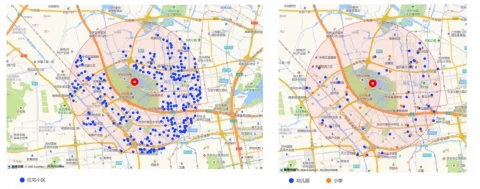
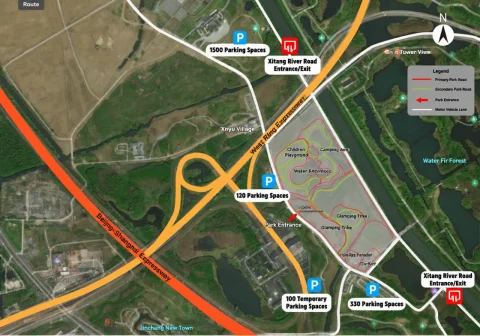
Direct Highway Access | 2-Hour Yangtze River Delta Hub: Immediately adjacent to the Hu-Ning Expressway Suzhou West Interchange, directly capturing self-drive regional family tourism.
Urban Expressways | 30-Minute City-Wide Reach: Connected via West Ring and Chunshenhu Expressways for effortless half-day/full-day weekend family trips.
Metro Line 8 Integration | Car-Free Urban Access: Adjacent to Metro Line 8 station, offering seamless public transit across urban Suzhou and maximizing accessibility.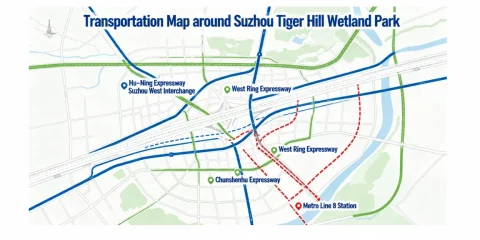
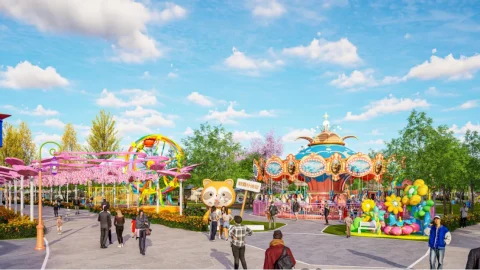
Synergistic Multi-Format Integration: Blends non-powered play, adult relaxation, alfresco dining/picnics, outdoor sports, and social media photo spots.
Balanced Family Experience: Delivers the core promise of “fun for kids, true relaxation for parents” with shaded lounges, BBQ zones, and leisure spaces.
Extended Dwell Time & Higher ARPU: Increases average visit duration to 4–6 hours (vs. the industry average of ~2 hours), significantly enhancing per-capita spending and in-park secondary consumption.
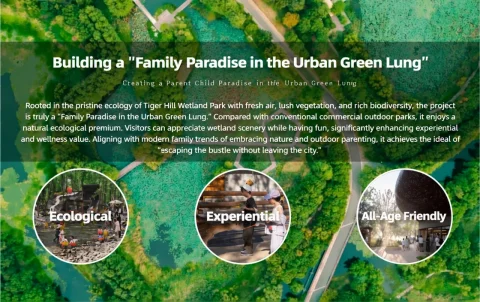
Low-Impact Eco-Preservation: Maximizes the retention of original wetland landforms, water bodies, and native flora.
Modular & Demountable Infrastructure: Employs mobile, recyclable, and eco-certified installations to minimize permanent ground disturbance.
Ecological Compliance & ESG Alignment: Fully complies with wetland protection regulations, establishing a win-win model of “ecological conservation and long-term business performance.”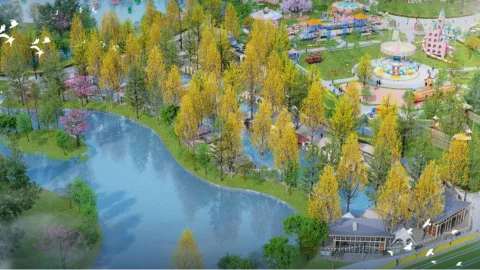
Two Proven Benchmark Projects in Beijing & Qingdao: Rapidly established as regional cultural tourism landmarks with validated footfall and profitability.
Socio-Economic Value Creation: Proactively boosts local commerce, elevates city leisure amenities, and generates local jobs.
Comprehensive End-to-End Management: Mature, battle-tested capabilities covering site development, asset-light curation, safety standards, and multi-channel marketing ensure flawless execution.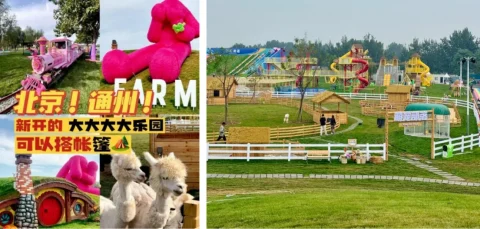
Through our hands-on operational track record, we have accumulated comprehensive, full-chain expertise spanning master planning and construction, format selection, engineering execution, daily park operations, marketing and traffic generation, and safety risk control.
Our proven operational system can rapidly adapt to this project’s unique ecological foundation and local demographic profile, significantly reducing trial-and-error costs and operational risks. We possess the utmost confidence in delivering high-standard project execution and sustained, high-quality operations.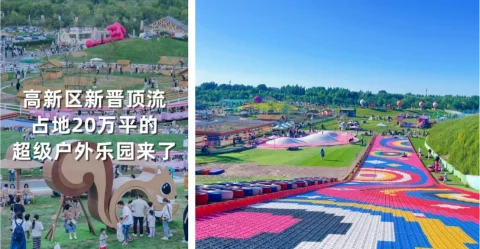
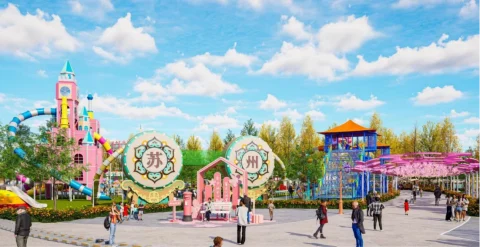
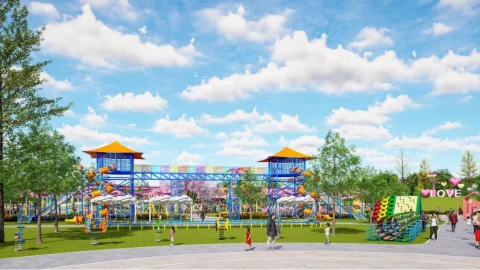
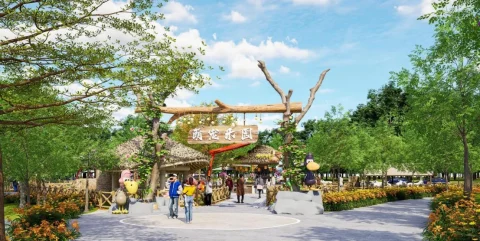
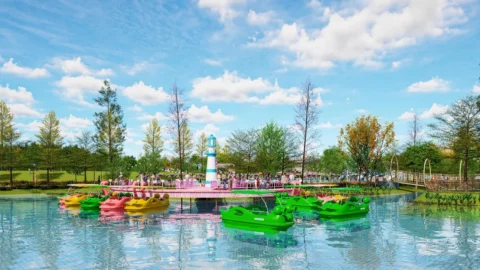
Main Entrance Rendering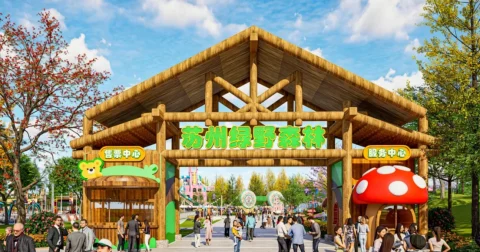
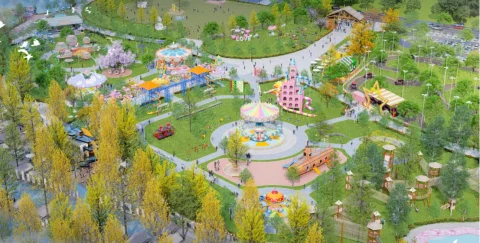
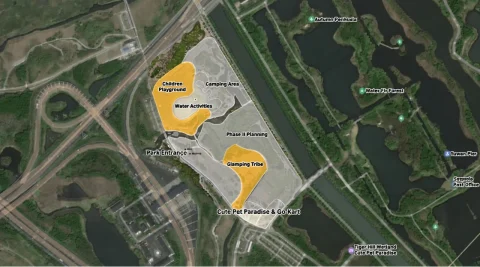
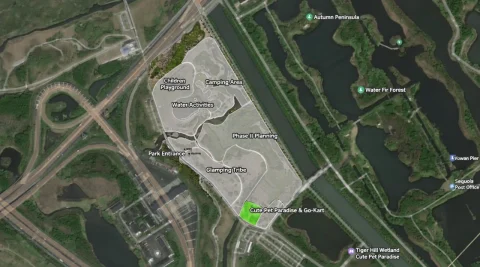
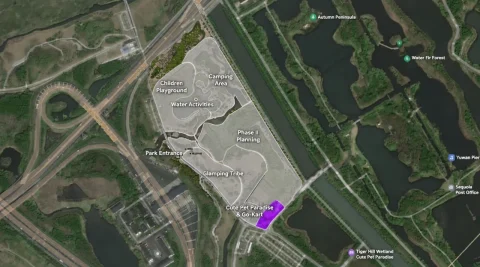
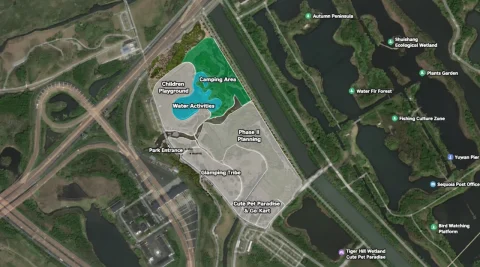
Zoning Master Plan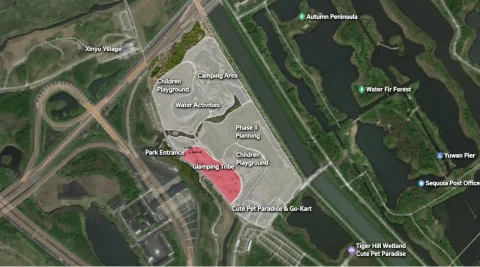
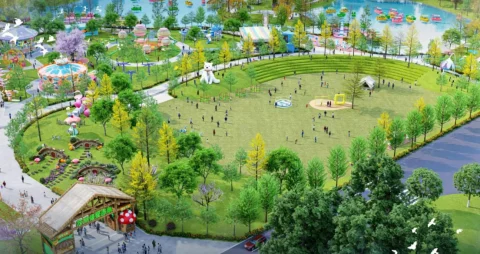
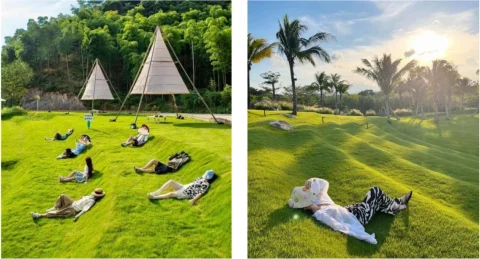
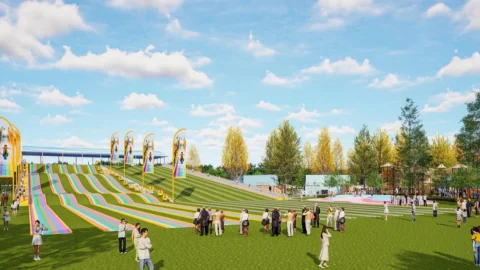
Leveraging the expansive, flat native lawns, the project develops a premier outdoor camping base in western Suzhou with leading regional scale. The zone is thoughtfully partitioned into three core sectors: the DIY Camping Sector, the Glamping Sector, and the Family Activity Sector.
It flexibly supports both self-service camping with visitors’ own gear and fully equipped, “turnkey” luxury glamping services. Additionally, the great lawn is capable of hosting a wide array of collective events—including family sports days, nature study camps, birthday parties, and corporate team building—serving as a core high-frequency, high-repurchase business format for the park.
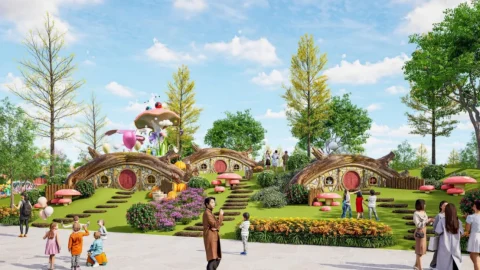
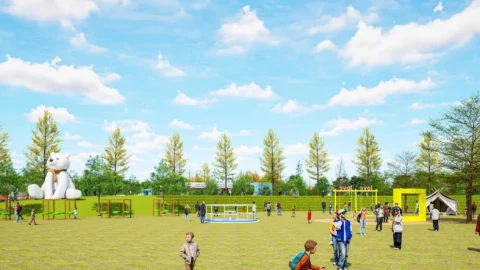
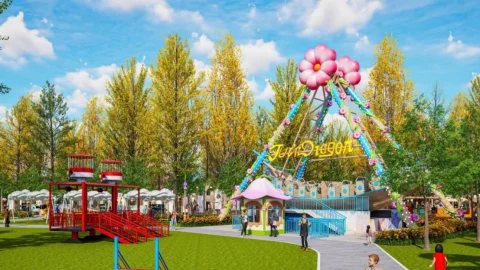
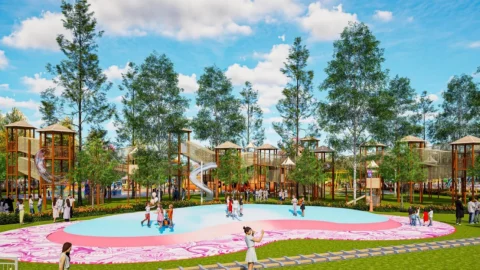
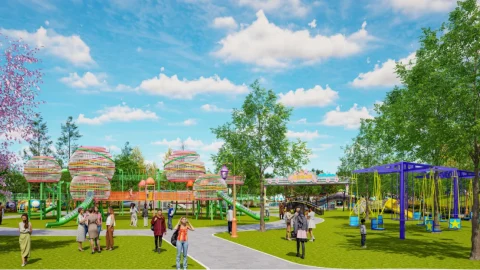
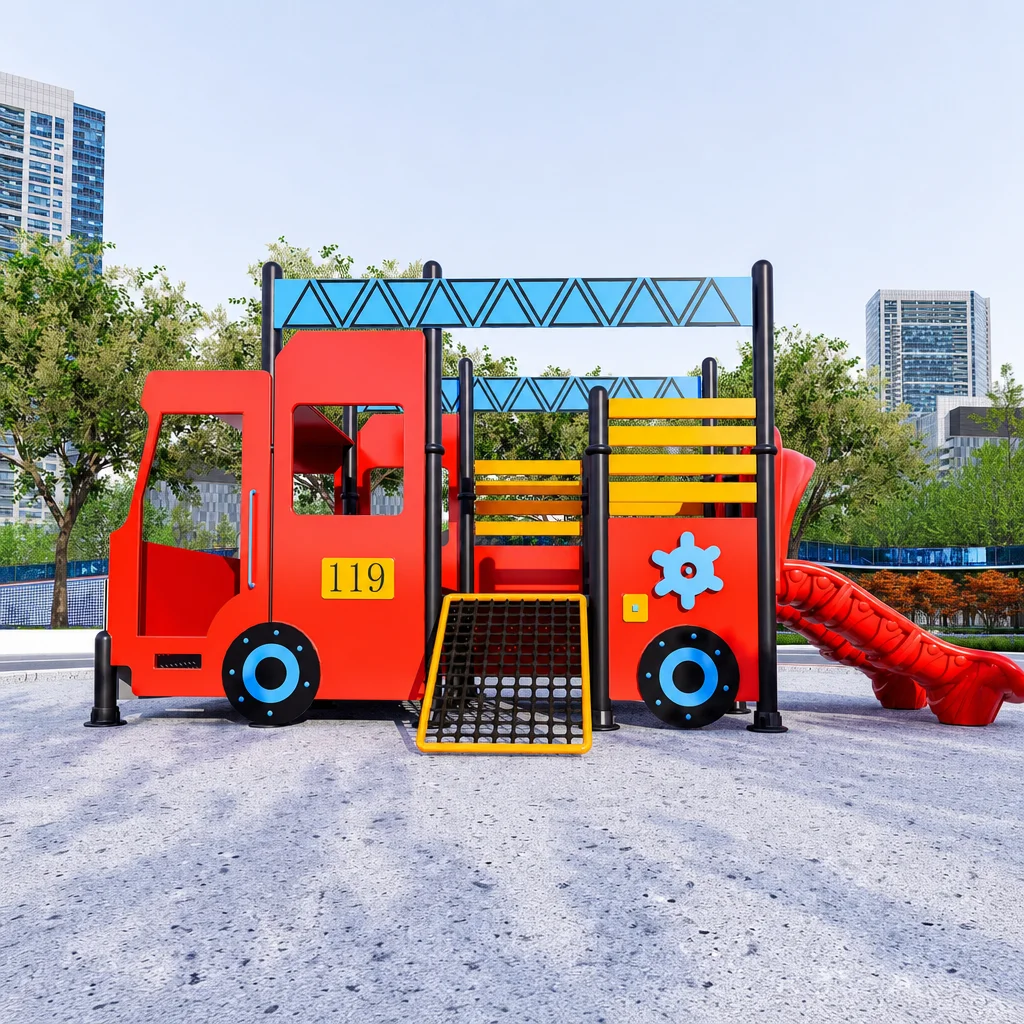
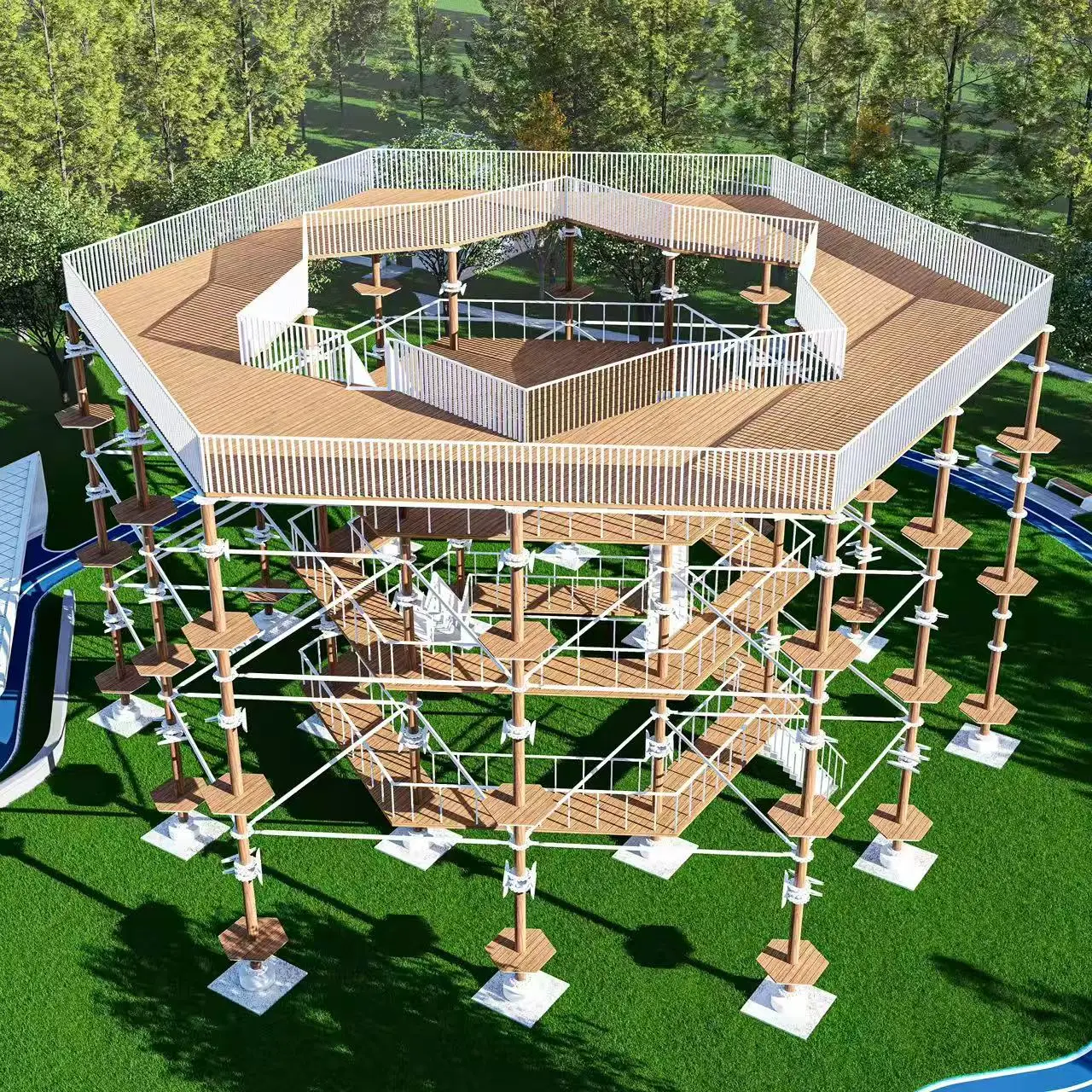
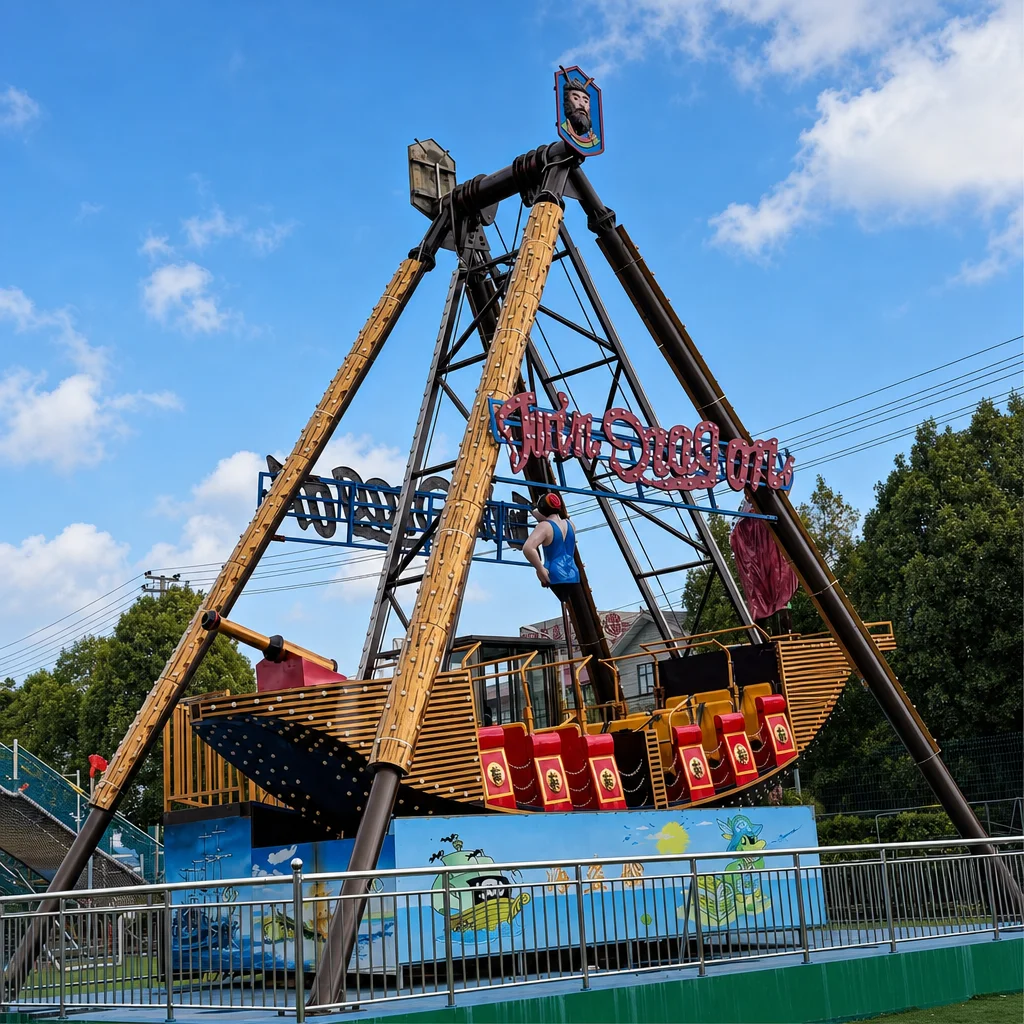
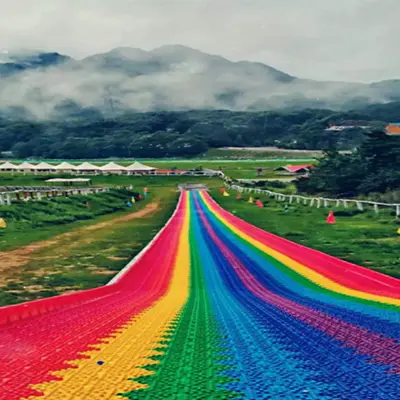
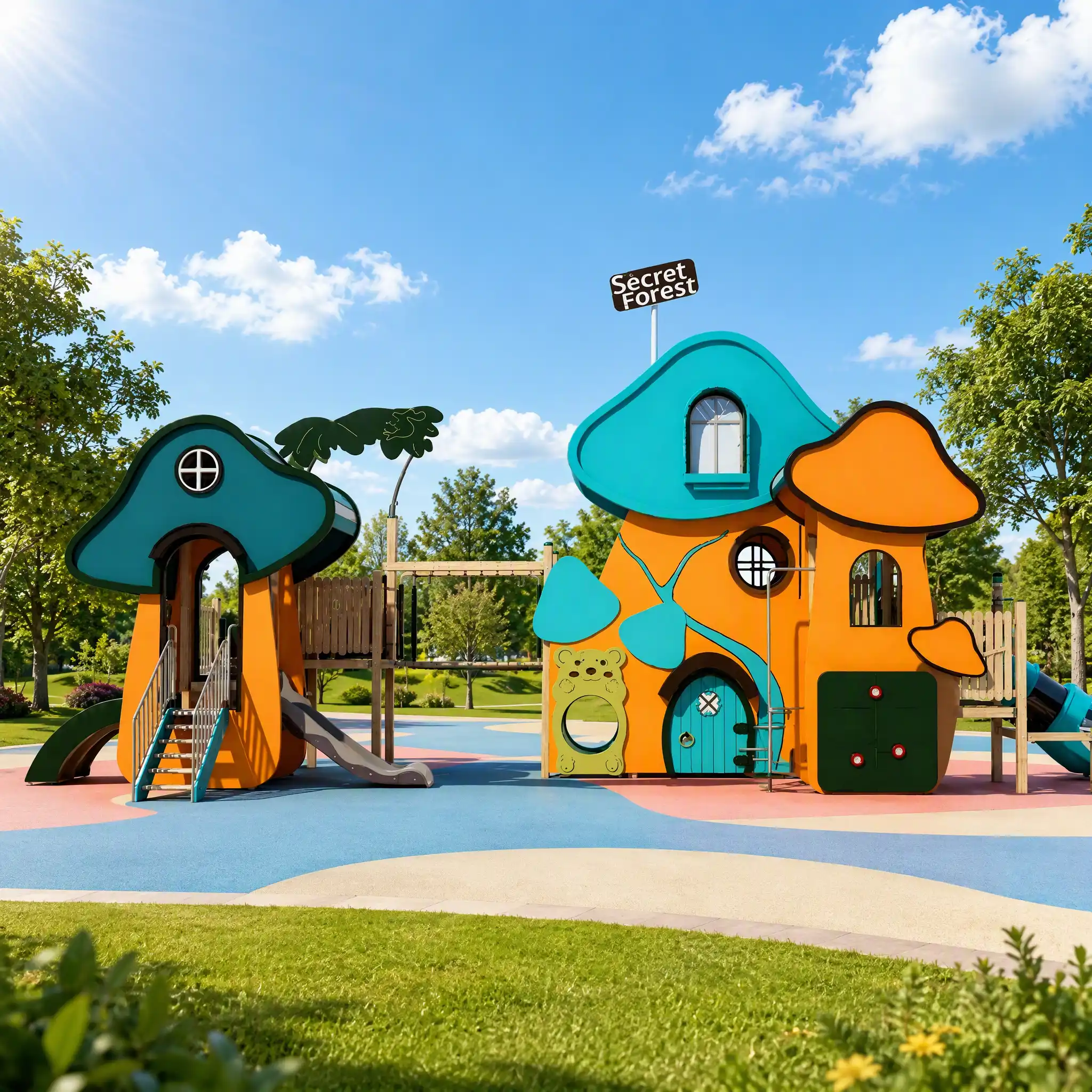
The project introduces a comprehensive range of non-powered amusement equipment that fully complies with national quality inspection and safety standards. With zero high-risk activities, it delivers maximum safety assurance for family visitors.
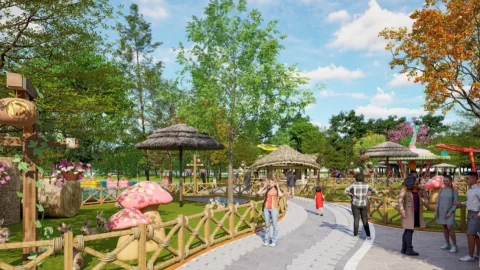
Diverse Facility Matrix: Features dozens of play installations, including climbing rope nets, multi-slide complexes, sensory sand pits, balance challenge courses, and giant swing clusters.
Age-Graded Spatial Design: Methodically divided into three distinct zones based on child development stages—the Toddler Enlightenment Zone (Early Childhood), the Middle-Age Adventure Zone (Kids), and the Senior Challenge Zone (Teens)—comprehensively catering to the athletic, exploratory, and social needs of children across different age groups.
Eco-Harmonized Materiality: All equipment utilizes certified eco-friendly, non-toxic materials, seamlessly blending into the wetland’s natural topography to eliminate any artificial, industrial feel.
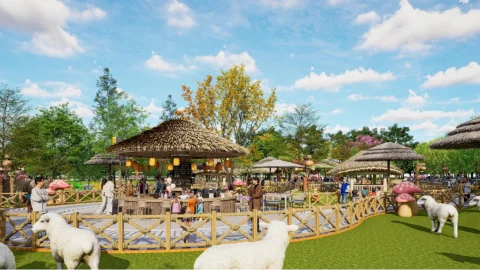
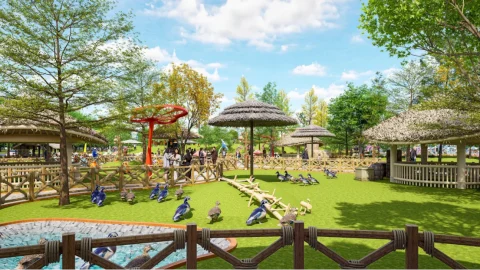
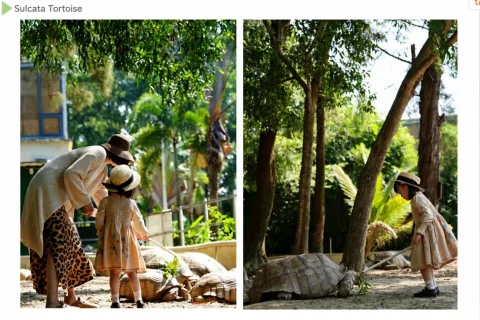
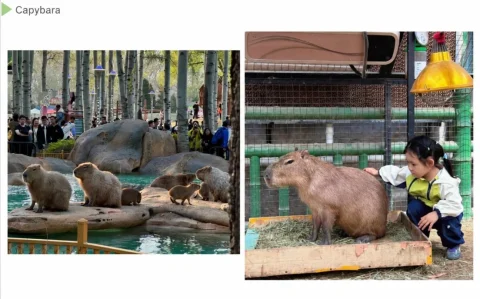
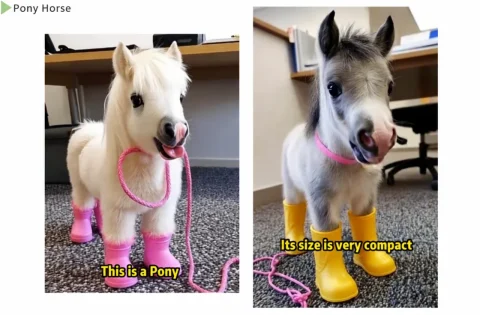
The project creates a low-barrier, highly engaging petting zoo and animal interaction zone. It introduces a lineup of docile and affectionate animals—including Debao miniature horses (ponies), pygmy goats, and Sulcata tortoises—and features interactive activities such as hand-feeding, gentle petting, photo opportunities, and animal fun races.
Designed with an open-range, semi-free-roaming layout, the zone allows children to cultivate empathy, environmental awareness, and nature cognition through close-up animal encounters, serving as an essential must-visit anchor for family audiences.


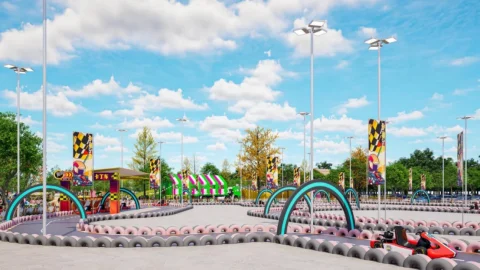
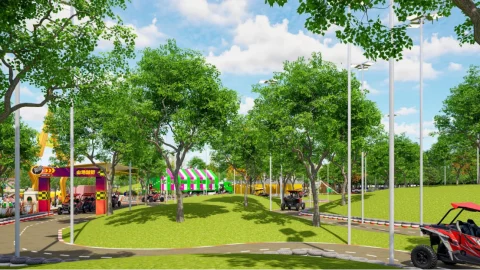
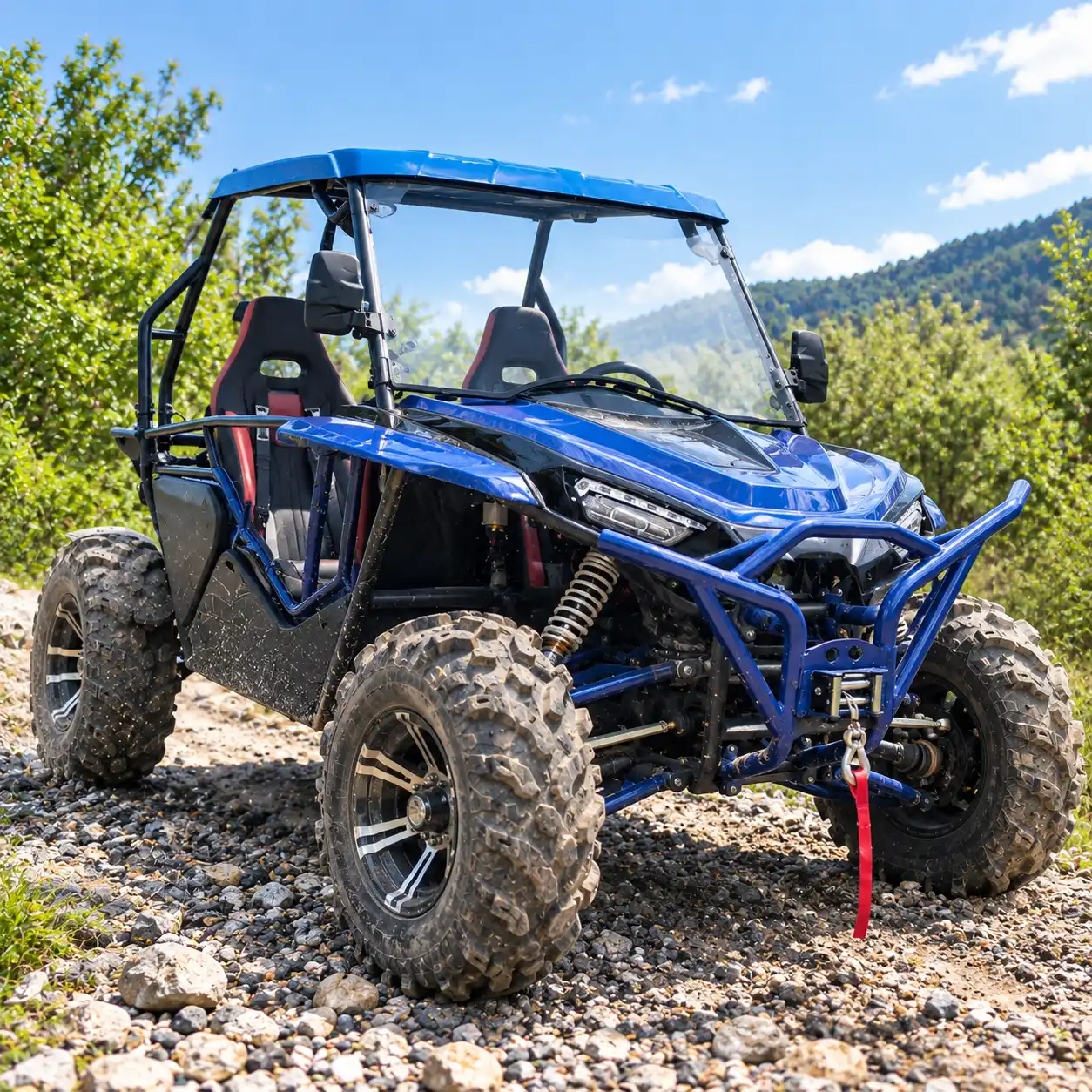
The zone features professionally protected Junior Solo Karting Tracks and Tandem Parent-Child Karting Tracks, fully equipped with certified protective gear and on-site guidance from certified safety marshals to seamlessly blend excitement with uncompromised safety.
It satisfies children’s desire for driving exploration and dynamic discovery while enabling parents and kids to race together. The attraction stands as a popular, high-energy experiential highlight that drives active family engagement and athletic vitality.
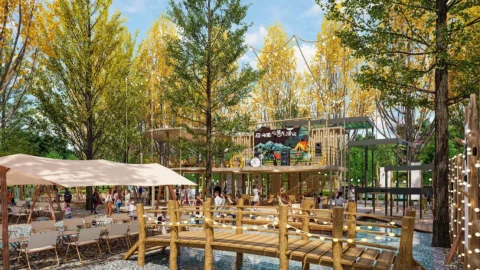
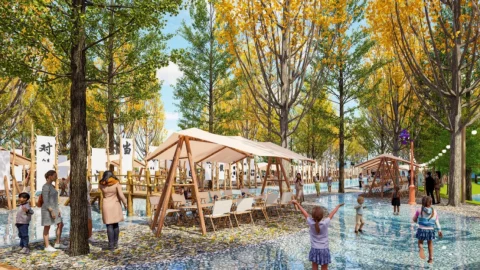
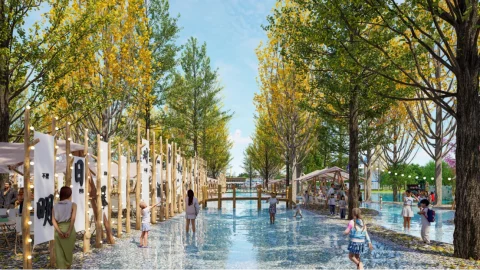
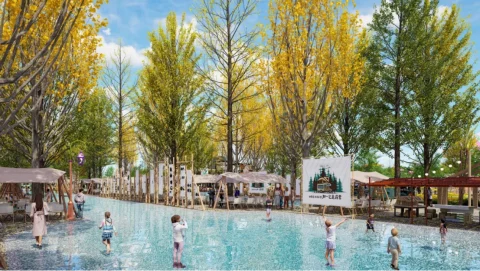
Serving as the project’s signature differentiator, this zone leverages mature, tall arbor canopies to create a shaded summer retreat. An artificial shallow stream winds through the woodland, creating an immersive, tranquil natural scene characterized by “lush shaded groves and babbling clear brooks.”
Shaded Relaxation & Dining Spaces: The under-canopy forest area is furnished with ergonomic outdoor seating, hammocks, and glamping canopies. It provides a comprehensive, one-stop service—including cooking tools, fresh ingredients, and full tableware sets—catering seamlessly to family gatherings and social outdoor dining.
Safe Nature-Water Play (Nostalgic Childhood Experience): Children can safely step into the clean, depth-controlled shallow brook to catch fish, scoop river shrimp, and splash in the water, reliving the authentic, carefree joy of idyllic countryside childhoods in complete safety.
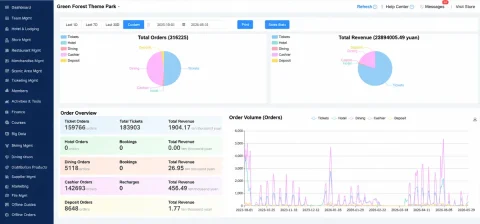
Upon reaching mature operations, the project is projected to achieve an annual visitor volume of approximately 1 million person-times, generating an estimated annual comprehensive revenue of RMB 30 million to 50 million.
Based on standard fiscal and tax burden benchmarks in the cultural tourism industry, the park is estimated to contribute RMB 5 million to 8 million annually in combined taxes—including Value-Added Tax (VAT) and Corporate Income Tax (CIT). This tax contribution will scale steadily alongside footfall growth, providing a stable source of fiscal revenue for the local government and emerging as a robust new growth engine for the regional cultural tourism economy.
Family cultural tourism projects possess exceptionally strong consumer spillover effects. Serving as a powerful regional traffic magnet, this project will comprehensively stimulate the upstream and downstream development of surrounding catering, hospitality, retail, and local transportation sectors.
According to standard cultural tourism industry multiplier benchmarks, the comprehensive economic multiplier coefficient for outdoor family theme parks is approximately 1:3 to 1:5—meaning every RMB 1 of revenue generated within the park drives RMB 3 to 5 of secondary spending in the surrounding area. Based on this benchmark, the mature project is projected to stimulate RMB 100 million to 150 million annually in surrounding associated consumption, dynamically activating regional commerce and establishing a collaborative pattern where “one flourishing park revitalizes the entire district.”
Park operations will directly create a substantial number of employment opportunities spanning operational management, ride maintenance, safety and emergency security, F&B services, animal husbandry & veterinary care, landscaping & sanitation, and brand marketing.
Direct Employment: Estimated to directly employ 80 to 120 personnel.
Indirect Employment: The growth of linked hospitality, dining, and retail sectors in the vicinity will generate extensive secondary job opportunities, effectively supporting local employment and community livelihoods.
The project transforms the pristine ecological resources of Tiger Hill Wetland Park into high-value, experiential, and monetizable cultural tourism offerings, substantially enriching the leisure product matrix of western Suzhou. It helps establish a city-wide balanced recreation landscape of “Jinji Lake in the East, Wetland Family Park in the West.”
Leveraging the high visibility and regional connectivity of the Shanghai-Nanjing (Hu-Ning) Expressway, the park is poised to become a premier family tourism showcase for Suzhou across the Yangtze River Delta, significantly elevating the brand visibility and destination appeal of western Suzhou.
Upon completion, the park will provide a premium, accessible, and low-barrier outdoor recreational sanctuary for the 700,000 residents living within the surrounding catchment.
It directly caters to citizens’ essential daily needs for nearby parenting, outdoor wellness, physical fitness, and weekend relaxation, substantially boosting residents’ sense of happiness and well-being. The project represents a quintessential civic benchmark embodying “ecological benefits for the people, and cultural tourism serving the community.”





 +86 18353746689
 +86 18353746689
 sales@chishenggroup.com
